Beating the Tamil Nadu Heat: Smart Home Design Ideas for Naturally Cool Interiors
BILARA GROUP · 07 AUGUST 2025 · 4 MIN READ
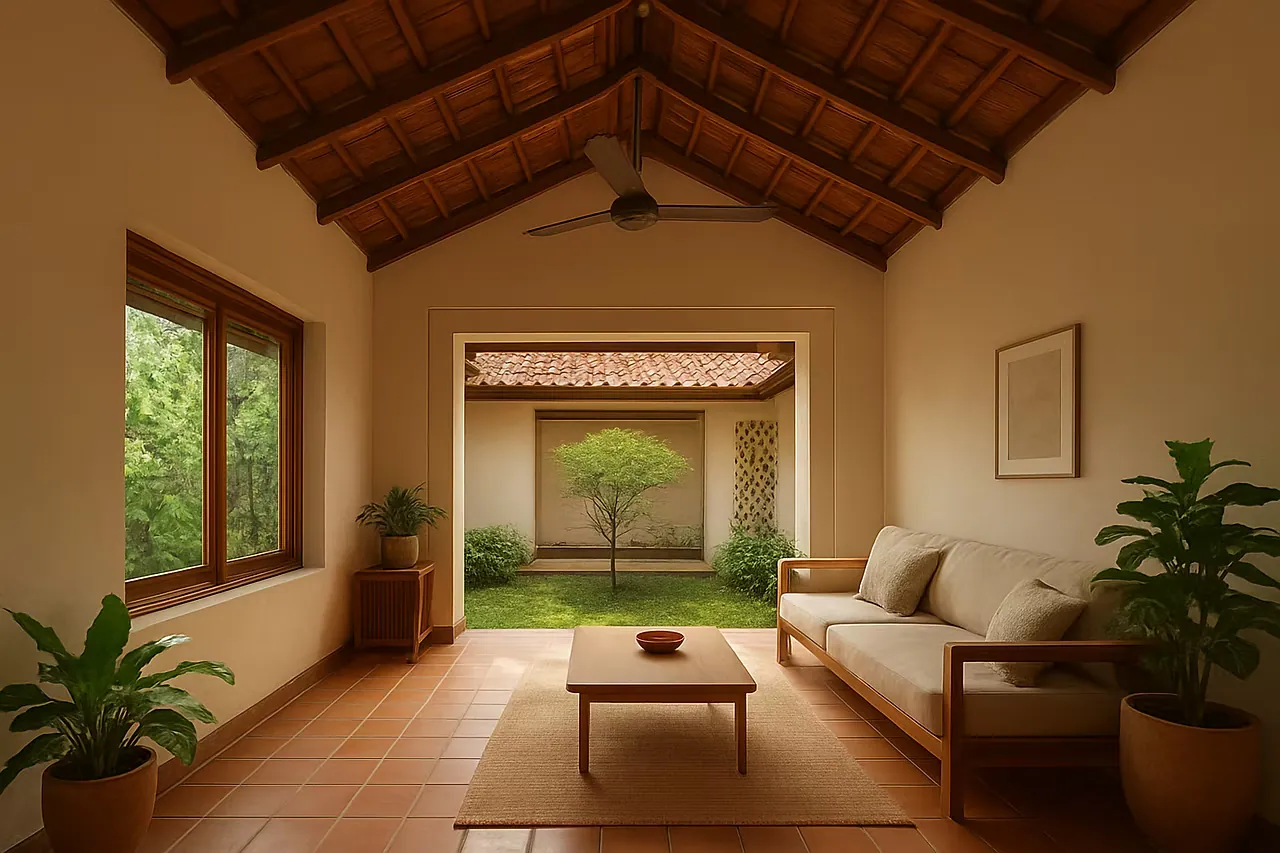
If you live in Tamil Nadu, you already know that the sun can be relentless. From the scorching afternoons of Madurai to the humid evenings of Chennai, keeping a home cool without depending entirely on air conditioning can feel like a constant challenge. But what if your home itself could fight the heat for you — naturally?
This is where climate-responsive home design comes in. It’s an approach to architecture that works hand-in-hand with nature to keep interiors cool, comfortable, and energy-efficient. In a state where temperatures often exceed 40 degrees Celsius, smart design is not just about aesthetics; it’s about comfort, sustainability, and long-term savings.
Modern home construction in Tamil Nadu is evolving rapidly. Builders and architects are now turning to intelligent design principles that help homeowners stay cool even in the hottest months, without excessive reliance on artificial cooling.
Understanding Tamil Nadu’s ClimateTamil Nadu has a predominantly tropical climate with high humidity and intense summers. Traditional homes in the region were designed to adapt to these conditions long before modern cooling systems existed. Thick walls, high ceilings, inner courtyards, and shaded verandas helped regulate temperature naturally.
Today’s architects are reviving these ideas and combining them with modern materials and technologies to create energy-efficient homes that are both comfortable and sustainable.
Smart Orientation and Layout PlanningThe orientation of a home has a major impact on how much heat it absorbs throughout the day. East-facing homes receive gentle morning sunlight and stay cooler in the afternoons. West-facing walls, which are exposed to harsh evening sun, can be protected using pergolas, creepers, or extended roof overhangs.
Good layout planning also ensures proper cross-ventilation. Placing windows and doors opposite each other allows hot air to escape and cooler air to flow in. Open floor plans, internal courtyards, and strategically placed skylights promote steady airflow and natural light without adding heat.
Use of Local and Climate-Friendly MaterialsThe materials used in construction play a vital role in keeping homes naturally cool. Instead of dense, heat-absorbing materials, it is better to use those that breathe and reflect warmth. Clay bricks, terracotta tiles, laterite stones, and lime plaster are some of the best options. Cool roof coatings or reflective paints can reduce heat absorption significantly.
Natural materials like bamboo, wood, and stone add both beauty and temperature balance to the home. These are eco-friendly, durable, and perfectly suited for Tamil Nadu’s climate.
Natural Ventilation and Airflow DesignSmart ventilation design makes it possible to harness natural air movement. Tall windows, ventilators, and jali screens allow continuous airflow while filtering harsh sunlight. Central courtyards, inspired by traditional Chettinad architecture, promote upward air movement, which naturally cools indoor spaces.
In modern homes, roof vents, wind catchers, and ventilated skylights are becoming popular for their ability to maintain comfort without mechanical cooling.
Shading and Green SpacesShading is one of the simplest and most effective ways to block heat. Deep verandas, sunshades, pergolas, and balcony projections shield walls and windows from direct sunlight. Vertical gardens, rooftop greenery, and strategically placed trees act as natural insulation.
Planting shade trees on the west and south sides of the property helps create a cooler microclimate. A home surrounded by green spaces not only feels cooler but also promotes relaxation and well-being.
Water Features and Thermal ComfortWater has a natural cooling effect, and traditional Tamil architecture often incorporated ponds, lotus tanks, and step-wells for this reason. Modern homes can achieve similar results with small indoor water bodies, reflective pools, or courtyard fountains. These features cool the air and add serenity and visual appeal to the home.
Energy-Efficient Lighting and AppliancesDesign alone cannot control indoor temperature; energy management is equally important. Using LED lighting, energy-efficient ceiling fans, and inverter-based air conditioners helps reduce heat buildup. Installing solar panels to power appliances sustainably is another smart step.
Insulating roofs and using double-glazed windows further enhance energy efficiency and maintain comfortable indoor temperatures.
Merging Tradition with Modern LivingThe future of home construction in Tamil Nadu lies in merging traditional design wisdom with modern innovation. Architects are combining sloped tiled roofs, wooden pillars, and open courtyards with modern materials like glass and steel, used responsibly.
By integrating eco-friendly paints, recycled materials, and smart automation systems, homeowners can achieve spaces that are energy-smart, culturally grounded, and naturally cool.
How Bilara Group Helps Homeowners Beat the HeatAt Bilara Group, the focus is on building climate-smart, sustainable homes that thrive in Tamil Nadu’s tropical environment. The company’s expert team integrates passive cooling techniques, energy-efficient materials, and eco-friendly technologies into every project.
From designing cross-ventilated layouts and installing solar systems to using locally sourced materials, Bilara Group ensures each home is comfortable, efficient, and perfectly suited to Tamil Nadu’s weather.
Choosing Bilara Group means investing in a home that stays cool naturally and remains in harmony with the region’s climate and culture. With their expertise, you can build not just a house, but a sustainable sanctuary built to withstand the heat and stand the test of time.
<footer class="PhCafd B6ltWa"Continue reading