The Mangalore Tile Comeback: Why Clay Roofs Are Cool Again in Karnataka Homes
BILARA GROUP · 08 AUGUST 2025 · 4 MIN READ
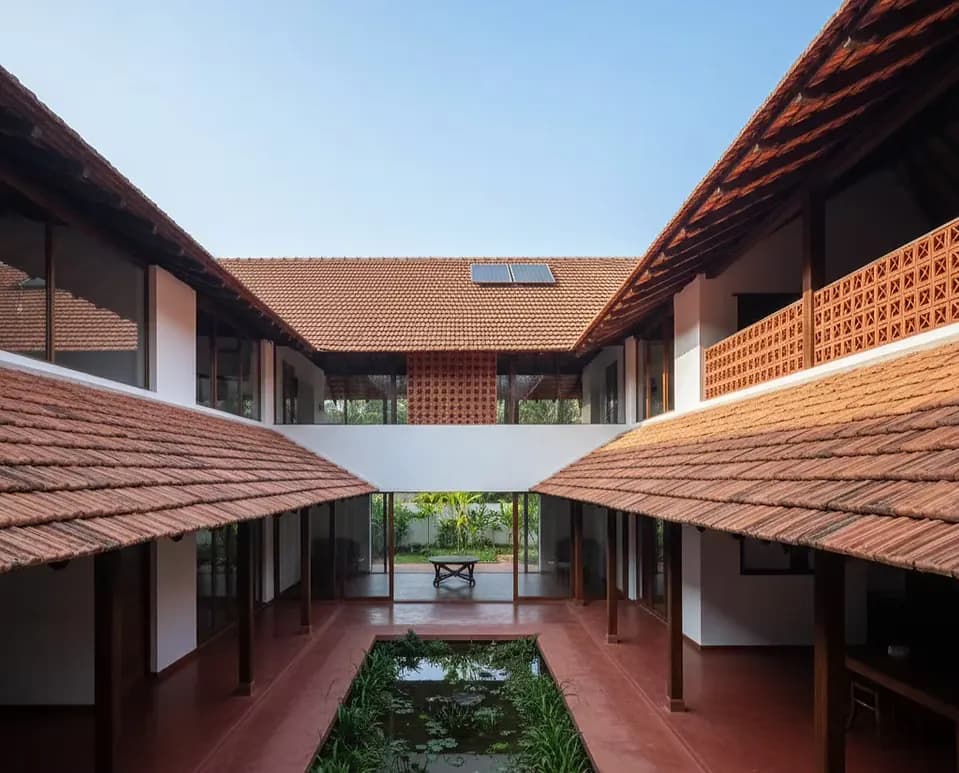
For generations, the red-tiled roofs of Mangaluru and coastal Karnataka have stood as icons of local architecture — instantly recognizable, practical, and beautiful. Those earthy clay tiles were more than just roofing material; they represented a way of life. They kept homes cool in summer, dry during monsoon rains, and blended effortlessly with the lush green landscape.
Over time, however, as modern materials like concrete slabs and metal sheets became popular, clay tiles faded from mainstream use. But now, they’re making a strong comeback — not out of nostalgia, but out of necessity. As homeowners across Karnataka seek sustainable, climate-responsive, and aesthetically rich designs, the humble Mangalore tile is re-emerging as a preferred choice for roofing in both traditional and contemporary homes.
This revival isn’t just about looks. It’s about rediscovering an age-old building material that is naturally suited to Karnataka’s tropical climate, environmentally friendly, and architecturally versatile.
A Legacy Rooted in the CoastThe Mangalore tile has its origins in the 19th century when the first tile factories were established along the coastal belt of Mangaluru, thanks to the region’s abundant deposits of high-quality clay. These tiles quickly gained popularity for their durability, natural cooling properties, and aesthetic appeal.
Traditional homes in Mangaluru, Udupi, and nearby regions were almost always built with sloping, red-tiled roofs. The design wasn’t accidental — it was perfectly suited to the region’s heavy monsoon rains. The sloped structure ensured quick drainage, while the tiles’ porous nature allowed the roof to “breathe,” preventing heat buildup inside the house.
This combination of functionality and beauty made the Mangalore tile a defining feature of Karnataka’s coastal architecture for over a century.
Why Modern Homes Are Returning to Clay TilesThe renewed interest in clay tile roofing is being driven by a growing awareness of sustainability and climate-responsive construction. Here’s why more homeowners and builders in Karnataka are embracing this time-tested material again:
1. Natural Cooling: Clay tiles are naturally insulating. Their porous structure allows air to pass through, reducing heat transfer into the home. This keeps interiors cooler even during peak summer months — a crucial advantage in Karnataka’s warm climate.
2. Eco-Friendliness: Unlike concrete or metal roofing, clay tiles are made from natural materials and are fully biodegradable. They require minimal energy to produce, especially when sourced locally from Mangaluru’s clay-rich regions. This makes them one of the most sustainable roofing options available today.
3. Durability and Low Maintenance: A properly installed tile roof can last for decades. Clay tiles are resistant to UV rays, moisture, and pests. They also age gracefully, developing a rustic patina that adds character to the home over time.
4. Thermal and Acoustic Comfort: The density of clay tiles provides excellent insulation against both heat and sound. Homes with tiled roofs tend to stay quieter and more thermally stable, offering a naturally peaceful living environment.
5. Timeless Aesthetic Appeal: The rich, earthy red of Mangalore tiles adds warmth and charm to any design — whether it’s a traditional house in Udupi or a modern villa in Bengaluru. Architects are now pairing these tiles with glass, steel, and minimalist structures for a striking balance between heritage and modernity.
Adapting Clay Tiles for Contemporary DesignWhile traditional Mangalore tiles were primarily used for sloping roofs, modern construction techniques are expanding their applications. Architects now use them for cladding, façades, ceilings, and decorative accents in addition to roofing.
In urban projects, partial tile roofs are often combined with concrete terraces to achieve a balance of style and practicality. The tiles can be integrated into pergolas, balconies, and car porches to add natural texture and shade.
New manufacturing processes have also improved tile quality — ensuring better color consistency, strength, and water resistance. Homeowners now have a variety of profiles and finishes to choose from, ranging from traditional curved tiles to flat, modern designs.
Performance Across Karnataka’s Diverse ClimatesOne reason for the tile’s enduring relevance is its adaptability.
-
In coastal regions like Mangaluru and Karwar, clay tiles withstand salt-laden air and intense rainfall.
-
In hill regions like Chikmagalur and Kodagu, they offer warmth and character while managing moisture well.
-
In dry interior regions like Tumakuru or Ballari, they keep interiors naturally cool and reduce heat stress on the structure.
Clay tiles perform remarkably well in all these conditions, provided they are installed with proper insulation, underlay, and maintenance.
Sustainability and Local EconomyChoosing clay tiles also supports the local economy. The tile-making industry around Mangaluru and Udupi employs thousands of artisans and workers. By opting for locally manufactured materials, homeowners contribute to regional livelihoods while reducing the carbon footprint associated with transporting construction materials from distant places.
Moreover, using locally produced clay tiles aligns perfectly with the principles of sustainable and context-sensitive construction — building homes that belong to the land they stand on.
How Bilara Group is Redefining Modern Roofing in KarnatakaAt Bilara Group, the revival of traditional materials like the Mangalore tile is not a step backward — it’s a step toward smarter, sustainable building. The company integrates these timeless roofing solutions into modern architectural designs that respect both heritage and function.
Whether constructing homes in coastal regions, urban centers, or rural landscapes, Bilara Group ensures that every project aligns with local climate conditions and long-term durability goals. Their architects and engineers combine traditional craftsmanship with advanced structural design, creating roofs that are not only energy-efficient but also visually distinctive.
For Bilara Group, sustainability isn’t just about reducing energy use — it’s about building with purpose, authenticity, and respect for regional traditions. The resurgence of the Mangalore tile perfectly reflects that vision: homes that breathe, endure, and inspire.
<footer class="PhCafd B6ltWa"Continue reading