Reimagining the Ancestral Home: How to Modernize Traditional Tamil Houses Without Losing Their Soul
BILARA GROUP · 11 AUGUST 2025 · 4 MIN READ
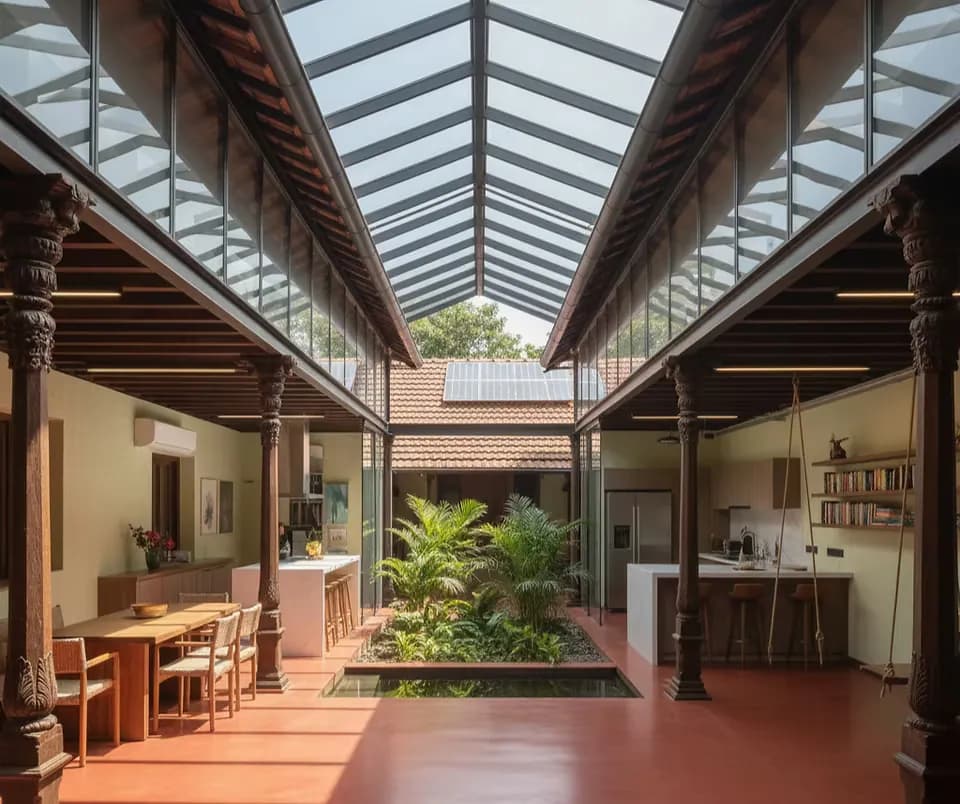
In Tamil Nadu, an ancestral home is more than just a structure — it’s a living memory. It holds generations of laughter, rituals, and family gatherings within its walls. From the polished red oxide floors to the intricate wooden columns and cool shaded verandas, these homes were built with care, skill, and an understanding of the land and climate.
But as time passes, these houses often fall into disrepair or feel incompatible with modern living. The challenge many homeowners face today is how to modernize these spaces without stripping away their soul. The good news is that it’s entirely possible. With thoughtful planning, sustainable materials, and a respect for traditional craftsmanship, Tamil Nadu’s ancestral homes can be beautifully transformed into modern havens — ones that celebrate heritage while embracing the conveniences of today.
The Significance of Tamil Ancestral HomesTraditional Tamil homes were designed to last for generations. They weren’t just buildings; they were carefully planned ecosystems that balanced climate, culture, and community. The layout, materials, and proportions all had meaning.
Features like the mutram (central courtyard) allowed sunlight and ventilation to flow naturally. Thinnais (verandas) served as welcoming spaces for guests. Thick laterite or lime-plastered walls kept interiors cool, while sloping tiled roofs helped rainwater drain easily. Every detail — from the carved doorframes to the terracotta tiles — was both functional and artistic.
Preserving these architectural gems is not just about nostalgia. It’s about maintaining a connection to a sustainable, regionally adapted way of living that still makes sense today.
The Modernization ChallengeFor many families, the ancestral home is both a source of pride and a logistical challenge. As lifestyles evolve, so do expectations — we want larger kitchens, modern bathrooms, and brighter interiors. Old homes, while rich in character, often lack structural reinforcement, electrical systems, or water management suited for modern life.
The goal, therefore, is not to demolish and rebuild, but to adapt and renew — blending tradition with innovation. This means enhancing comfort and functionality while preserving design integrity.
Restoring the Structure, Retaining the EssenceThe first step in reimagining an ancestral home is restoration. Many old homes in Tamil Nadu use materials like lime plaster, wood, and terracotta, which age gracefully but need care. Restoring these elements rather than replacing them maintains authenticity.
Structural strengthening can be achieved by reinforcing wooden beams with steel, repairing foundations using modern waterproofing techniques, and upgrading electrical and plumbing systems subtly, without disturbing the original aesthetics. Re-polishing old wood, reusing existing tiles, and repairing rather than discarding architectural details ensures that the home’s soul remains intact.
Redesigning for Modern ComfortModernizing an old Tamil home doesn’t mean transforming it beyond recognition. Instead, it’s about reinterpreting traditional spaces for contemporary living.
The mutram can be redesigned as an indoor garden, a skylit lounge, or even a serene family space. Thinnais can double as outdoor dining areas or reading nooks. Kitchens can be expanded into open-plan layouts without altering the home’s original rhythm.
Modern materials like glass, steel, and polished concrete can coexist beautifully with wood, lime, and clay when used thoughtfully. For instance, glass partitions can open up smaller rooms to light while preserving privacy. New fixtures, concealed lighting, and modular furniture can enhance usability without compromising the home’s timeless aesthetic.
Sustainability: Returning to the RootsInterestingly, Tamil ancestral homes were inherently sustainable. They relied on passive cooling, local materials, and natural ventilation — all of which are central to modern green building practices.
By upgrading these homes with solar panels, rainwater harvesting, and energy-efficient lighting, you can preserve tradition while reducing your environmental impact. Restored courtyards, tiled roofs, and shaded verandas already provide excellent insulation, meaning less reliance on artificial cooling systems.
Using reclaimed materials during renovation also helps maintain authenticity and reduce waste — another step toward sustainability that aligns perfectly with the traditional Tamil way of building.
The Emotional Value of PreservationBeyond practicality, retaining an ancestral home has deep emotional significance. Each restored beam, courtyard, or hand-carved doorframe tells a story. Modernizing such a space thoughtfully ensures that your family’s heritage continues to live and breathe.
It’s not just a renovation project; it’s a bridge between generations — one that connects the wisdom of the past to the aspirations of the future. These homes stand as physical reminders of identity, belonging, and continuity in an increasingly fast-paced world.
How Bilara Group is Helping Tamil Nadu’s Heritage EvolveAt Bilara Group, this philosophy of respecting the past while embracing the future drives their approach to home design. The company specializes in reimagining traditional Tamil homes by integrating modern functionality, safety, and comfort — all without sacrificing heritage.
From restoring old structures with eco-friendly materials to adding modern utilities in subtle, aesthetically cohesive ways, Bilara Group ensures that every renovation is both practical and soulful. Their team collaborates closely with clients to retain original features like courtyards, red oxide floors, and timber columns while introducing innovations such as energy-efficient lighting, open layouts, and smart home systems.
Each project becomes a dialogue between eras — the timeless craftsmanship of Tamil architecture and the innovations of modern living. With Bilara Group, ancestral homes are not lost to time; they are reborn with purpose, elegance, and authenticity.
<footer class="PhCafd B6ltWa"