Open Courtyards, Red Tiles, and Verandas: Reviving Tamil Nadu’s Timeless Architectural Elements
BILARA GROUP · 09 AUGUST 2025 · 4 MIN READ
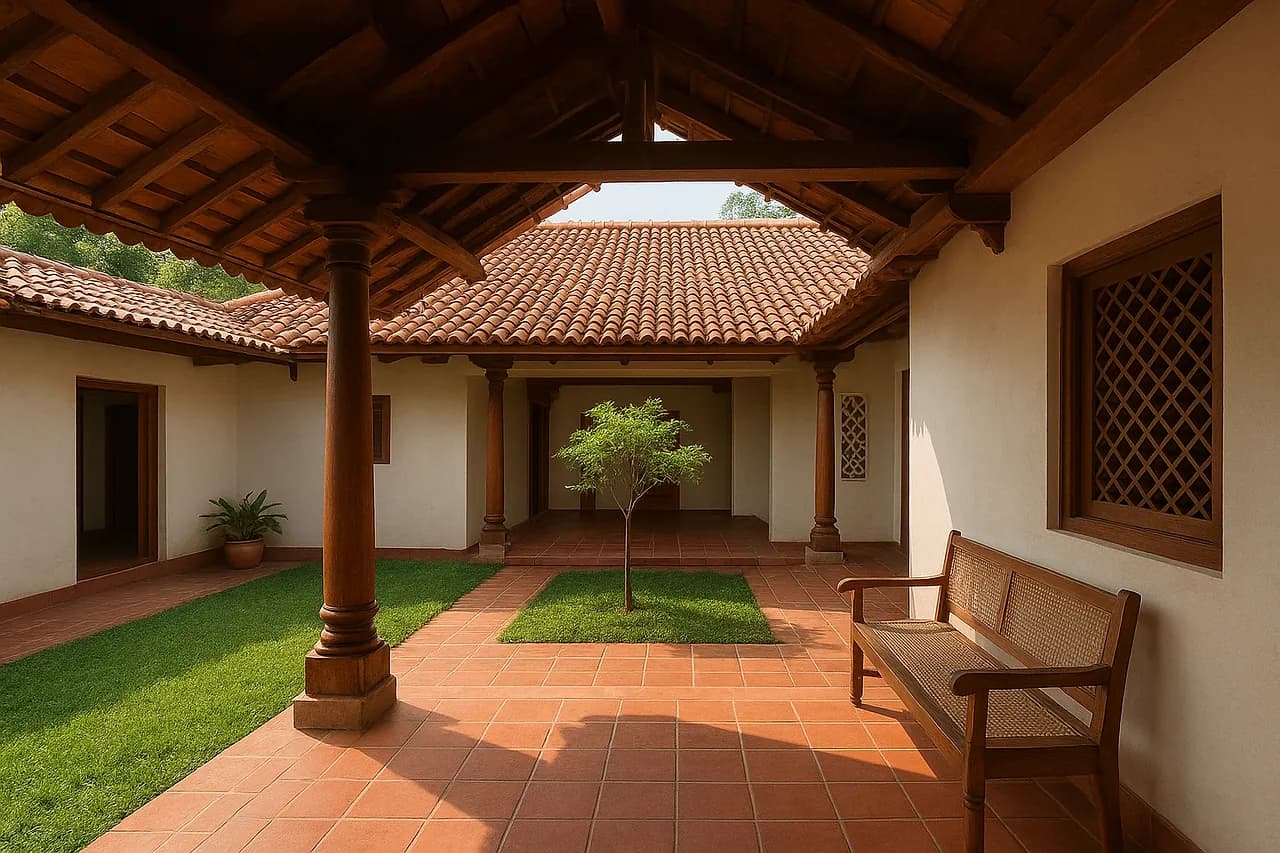
In the heart of Tamil Nadu, architecture has always been more than just walls and roofs — it’s a reflection of culture, climate, and craftsmanship. Traditional Tamil homes were living, breathing spaces that connected people to nature, community, and heritage. But as cities expand and modern construction races ahead, many of these classic design elements — the open courtyards, red-tiled roofs, wooden verandas, and intricate jaali work — are fading from everyday life.
Now, a quiet but powerful revival is underway. Homeowners, architects, and builders across Tamil Nadu are rediscovering the wisdom of traditional architecture and blending it with modern materials and comforts. The result is a new generation of homes that feel modern yet grounded in tradition — efficient, elegant, and deeply Tamil at heart.
The Essence of Tamil ArchitectureTamil Nadu’s architectural heritage is rooted in both practicality and philosophy. Ancient builders understood the land, the climate, and the lifestyle of its people. Every element — from the slope of the roof to the layout of the rooms — served a purpose.
Traditional Tamil homes, especially in Chettinad and rural regions, were designed around climate-responsive architecture. The designs kept interiors cool in summer, dry during monsoons, and comfortable year-round. The materials were locally sourced, the layouts encouraged social interaction, and the aesthetics reflected the state’s deep cultural identity.
The Magic of the Open CourtyardAt the heart of every traditional Tamil home was the mutram — the open courtyard. It was a multifunctional space that brought in sunlight and ventilation, acting as a natural temperature regulator. It also served as the spiritual and social center of the home — a place for family gatherings, rituals, and daily life.
Today, courtyards are making a comeback. Modern homes are reinterpreting them as internal atriums, skylit living areas, or green pockets that connect the indoors and outdoors. Besides improving airflow and natural lighting, courtyards create a sense of openness and calm — something urban homes often lack.
A well-designed courtyard reduces dependence on artificial cooling, provides privacy while maintaining connection with nature, and enhances aesthetic appeal — all while paying homage to traditional Tamil architecture.
The Appeal of Red-Tiled RoofsFew visuals are as iconic as a Tamil home with its warm, red-tiled sloping roof. Traditionally made from terracotta or clay, these roofs were not just beautiful but highly functional. They reflected heat, allowed rainwater to flow easily, and naturally insulated the interiors.
In modern construction, red tiles are being reintroduced not just for nostalgia, but for performance. With rising summer temperatures, clay-tiled roofing systems provide a sustainable alternative to concrete terraces. Many architects are also using recycled tiles and combining them with steel or concrete structures for added strength and longevity.
These roofs embody the idea that sustainability doesn’t have to come at the cost of beauty — it can, in fact, enhance it.
The Grace of the VerandaThe thinnai, or veranda, is another beloved feature of traditional Tamil homes. It served as a semi-public space — a shaded area where people could relax, chat with neighbors, or simply enjoy the breeze. Structurally, it also acted as a thermal buffer, protecting the inner rooms from direct sunlight.
In today’s homes, verandas are being reimagined as outdoor lounges, extended living rooms, or shaded decks. Whether framed by wooden pillars or minimalist steel supports, these spaces continue to represent hospitality and openness. A well-designed veranda adds to the home’s curb appeal while keeping it cool and welcoming — a perfect blend of form and function.
Craftsmanship and Natural MaterialsTraditional Tamil homes were built with locally available materials — laterite stone, lime plaster, teak wood, and clay. These materials weren’t just chosen for their availability but for their performance in the local climate.
Now, eco-conscious homeowners are turning to these materials once again. Laterite and clay keep interiors cool, while lime plaster allows walls to breathe and prevents moisture buildup. The use of natural finishes and handcrafted woodwork not only promotes sustainability but also revives lost artisanal skills.
Combining these materials with modern technology — like energy-efficient glass, insulation, and solar systems — creates homes that are both traditional and forward-thinking.
Tradition Meets Modern DesignThe real beauty of Tamil Nadu’s architectural revival lies in its adaptability. Architects today are fusing traditional layouts with contemporary aesthetics — clean lines, open spaces, and minimalist interiors. A modern home might have a glass-walled courtyard, a tiled sloping roof, and a shaded veranda that doubles as a workspace.
This blend maintains the spirit of Tamil architecture while accommodating modern lifestyles. The balance of light, air, and texture ensures that the home is comfortable, energy-efficient, and deeply connected to its surroundings.
Bilara Group and the Revival of Tamil Architectural HeritageAt Bilara Group, this revival of traditional design is more than a trend — it’s a commitment to building homes that reflect Tamil Nadu’s identity. The company specializes in modern construction rooted in tradition, integrating courtyards, tiled roofs, and natural materials into contemporary layouts.
Bilara Group’s architects focus on climate-responsive planning, energy efficiency, and timeless aesthetics. Whether it’s a new build or the restoration of an ancestral property, they help clients create homes that are sustainable, functional, and culturally meaningful.
By reimagining Tamil Nadu’s classic architectural elements through a modern lens, Bilara Group is preserving the past while shaping a smarter, greener future for home design.
<footer class="PhCafd B6ltWa"